OBJECTS01 / PLAY
Handmade Wooden Toys
Pull toys, blocks, figures and puzzles. Learn how form, timber and finish shape a toy.
CarvedStackingPlay objects
Explore wooden toys A field guide to European toycraft
A practical guide to European handmade toys, wooden figures, traditional dolls, materials and craft techniques.
THE ATLAS
Traditional toycraft is not one style. It is a group of regional practices shaped by available materials, household skills and changing ideas about play.
↗FIELD GUIDES / 01—05
Five routes into the material, form and making of European handmade toys.
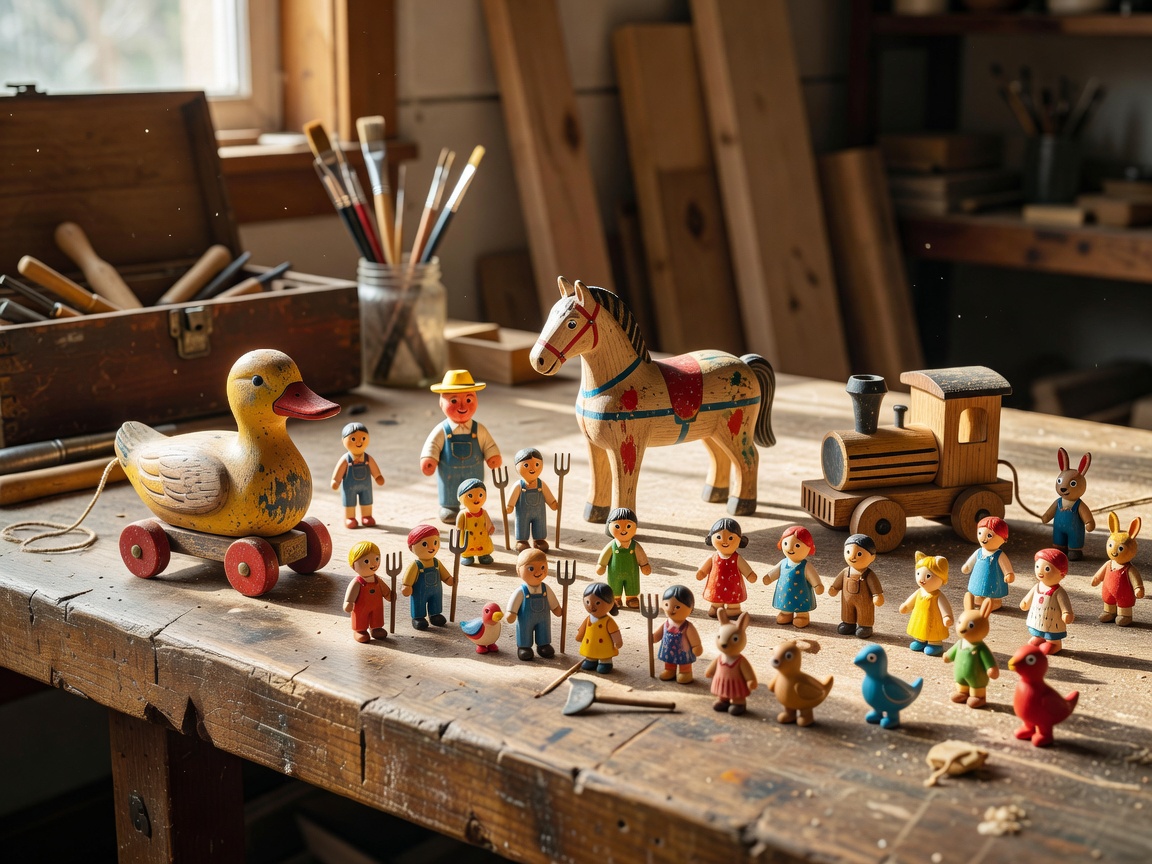
Pull toys, blocks, figures and puzzles. Learn how form, timber and finish shape a toy.
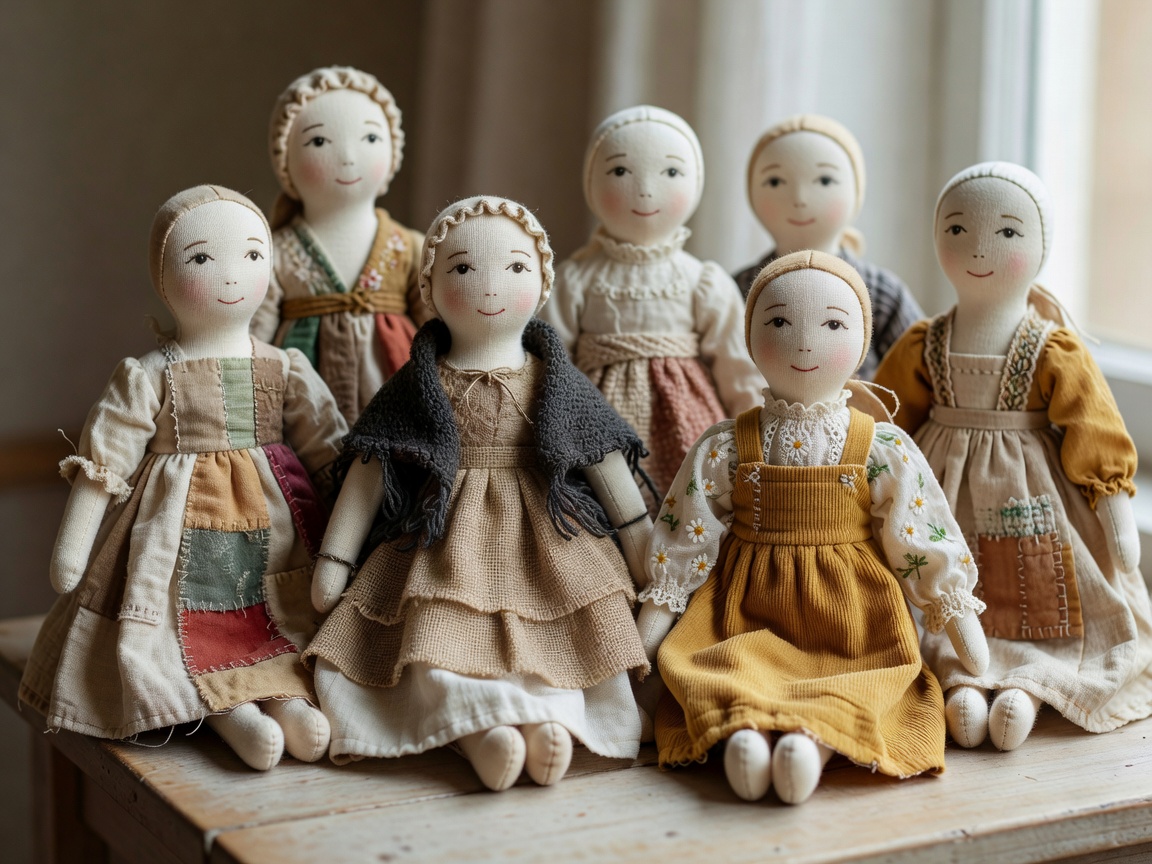
Compare textile, carved and painted figures across Europe without flattening regional difference.
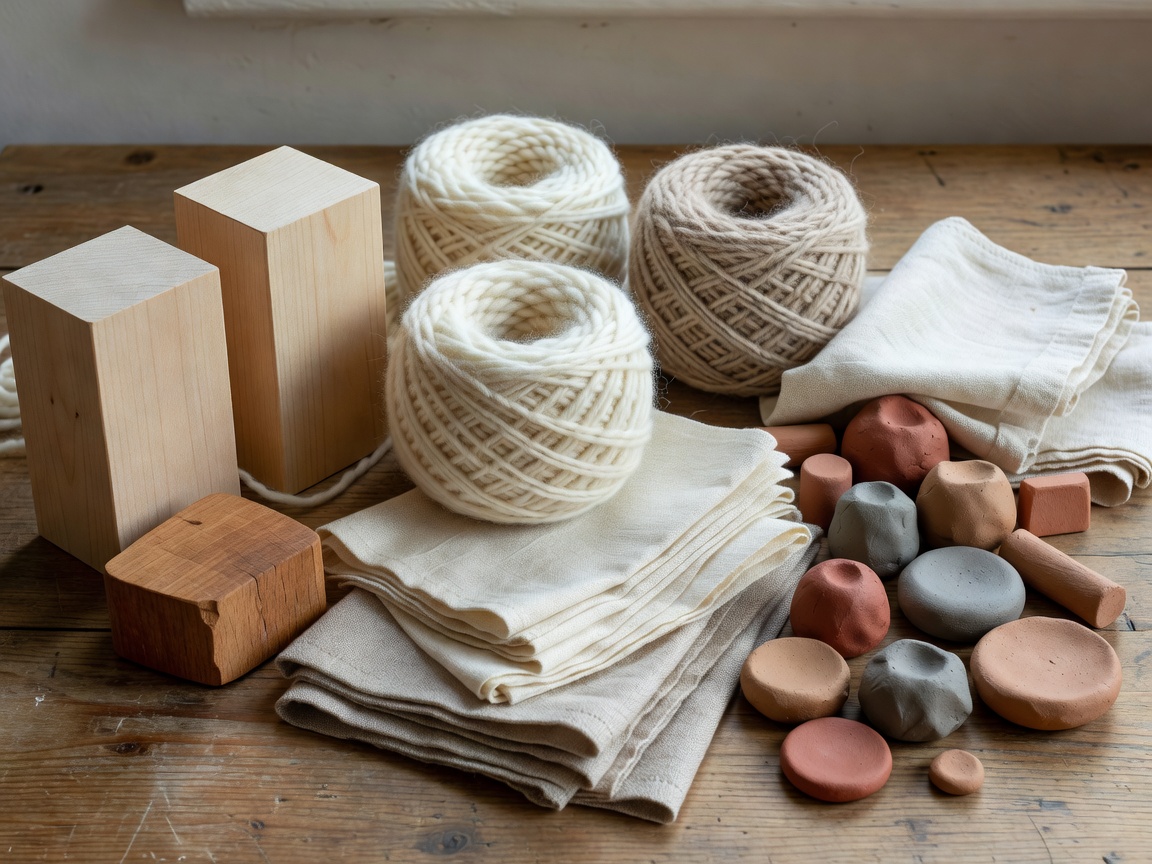
Read grain, weight and surface. Select material by the form and finish it needs to support.
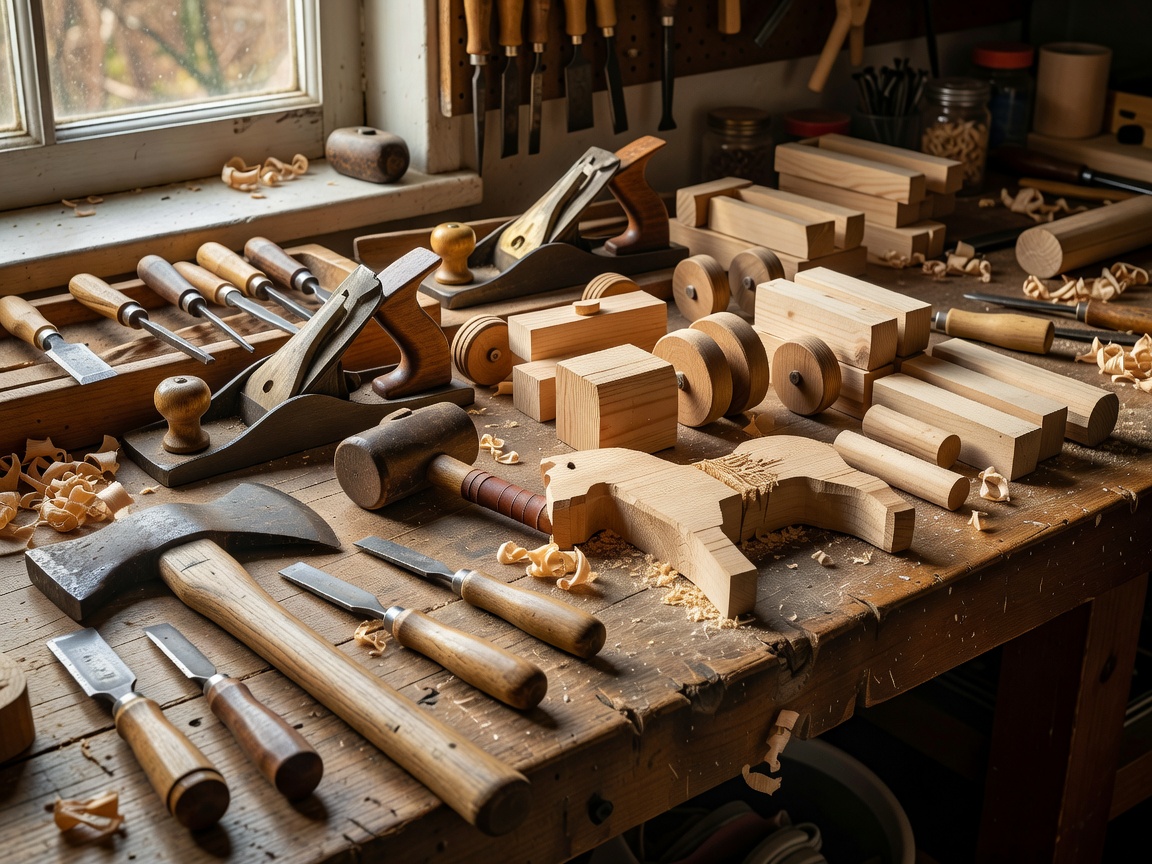
Understand what carving, turning, joining and finishing contribute to a wooden object.
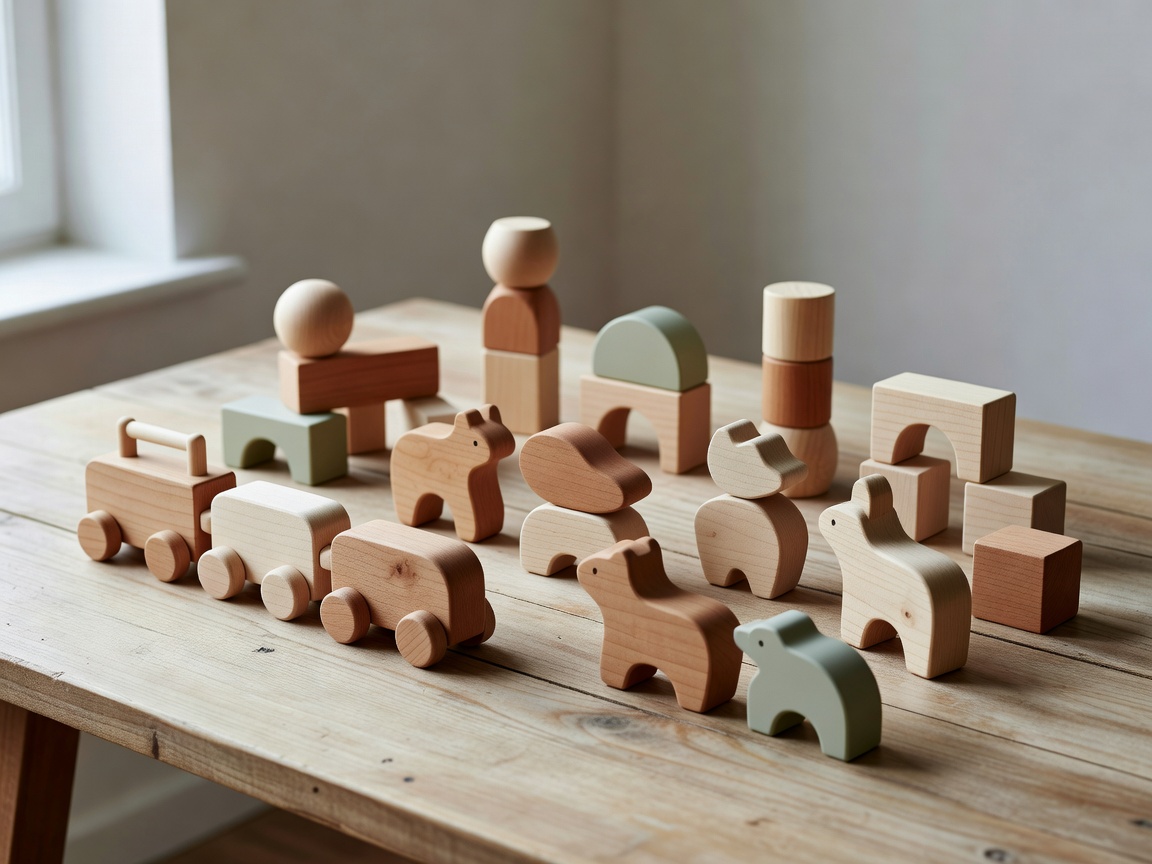
See how open-ended play, modular forms and contemporary color use inherited craft methods.
A SIMPLE MAKING SEQUENCE
A high-level view of how an idea becomes an object. Each stage affects the next.
Choose timber, cloth or another material for its grain, weight and intended use.
Reduce the idea to a clear silhouette, proportion and set of useful parts.
Shape and join components through a considered hand or small-batch process.
Refine touch and appearance. Finish choice depends on material and intended use.
Consider how a child handles, moves, combines or imagines with the finished form.
Product note. Actual suitability depends on intended age, construction, material, finish, small-part considerations, local requirements and appropriate testing.
QUESTIONS ABOUT THE ATLAS?
Use the contact page for corrections, access questions or editorial enquiries.